
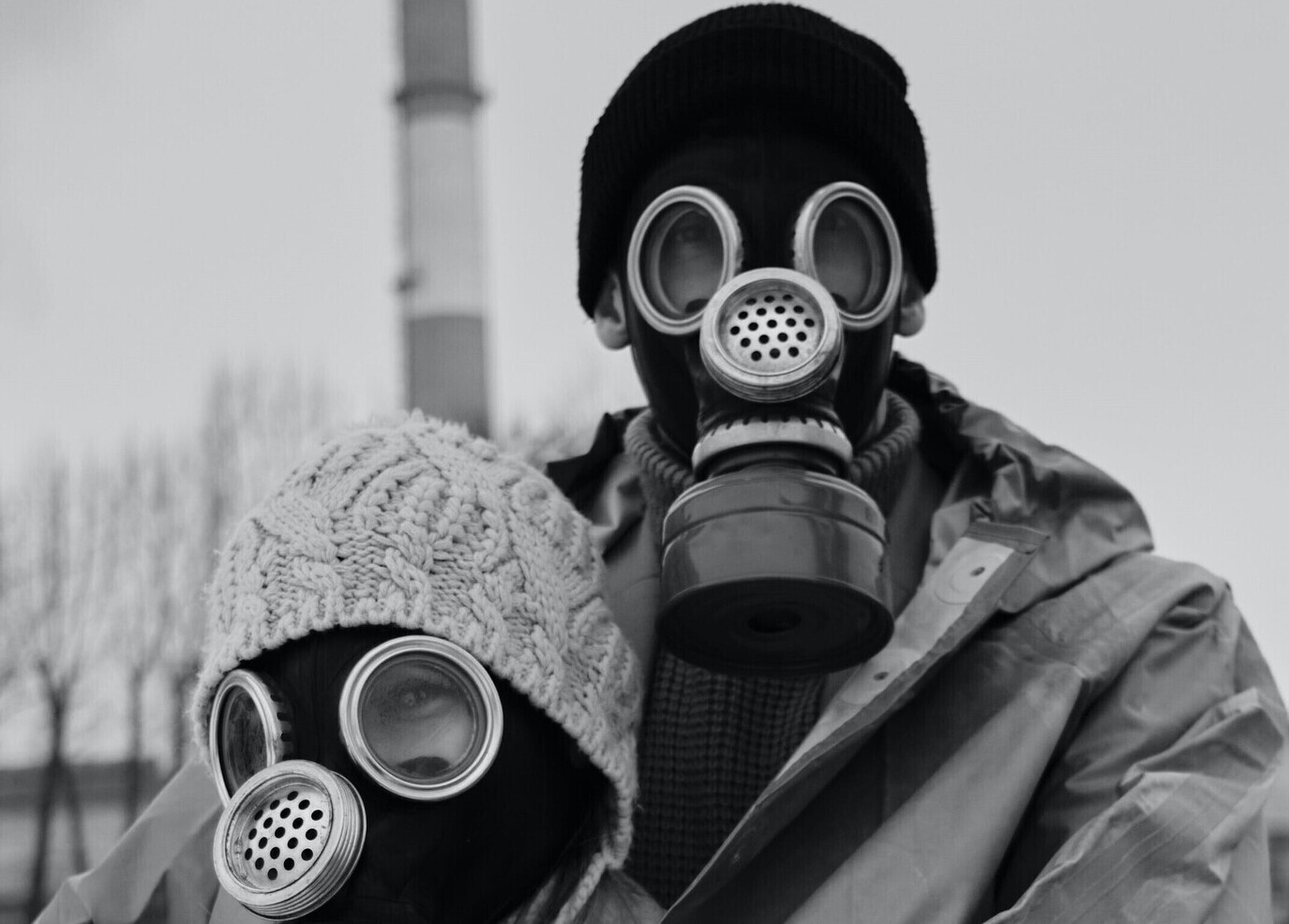
Delhi, the bustling capital of India, is home to over 20 million people. Unfortunately, it also holds the dubious distinction of being one of the most polluted cities in the world. This air pollution poses a significant threat to the health and well-being of its residents, causing respiratory illnesses, heart disease, and even cancer.
WHO Standards for Air Quality:
The World Health Organization (WHO) sets guidelines for safe air quality, with an annual PM2.5 (fine particulate matter) limit of 15 micrograms per cubic meter (μg/m3). However, Delhi’s PM2.5 levels often soar beyond this limit, reaching hazardous levels.
Number of Bad Air Days in Delhi in 2023:
In 2023, Delhi has already experienced a shocking number of bad air days, defined as days with an Air Quality Index (AQI) exceeding 200 (considered “very poor”). As of today, December 12, 2023, Delhi has recorded:
- 140 days with severe air quality (AQI 401-500)
- 200 days with very poor air quality (AQI 301-400)
- 165 days with poor air quality (AQI 201-300)
This means that for nearly half the year, Delhi residents have been breathing air that is harmful to their health.
Causes of Air Pollution in Delhi:
Several factors contribute to Delhi’s air pollution problem, including:
- Stubble burning: Farmers in neighboring states burn crop residue after harvest, releasing large amounts of smoke and pollutants into the air.
- Vehicular emissions: Delhi has a high number of vehicles, contributing significantly to air pollution.
- Industrial emissions: Industries in and around Delhi release various pollutants into the air.
- Construction dust: Construction activities generate dust that can contribute to air pollution.
- Open waste burning: Burning waste in open areas releases harmful pollutants into the air.Opens in a new windowwww.downtoearth.org.instubble burning field
Impact of Air Pollution:
The impact of air pollution on the health of Delhi residents is severe. It is estimated that air pollution contributes to:
- 40,000 premature deaths annually in Delhi
- Increased risk of respiratory illnesses such as asthma, bronchitis, and pneumonia
- Heart disease and stroke
- Cancer
Urgent Need for Action:
The situation in Delhi demands immediate and comprehensive action to address air pollution. This includes:
- Stricter regulations on stubble burning and industrial emissions
- Promoting the use of public transportation and electric vehicles
- Investment in renewable energy sources
- Stricter enforcement of environmental laws
- Promoting public awareness about the dangers of air pollution and encouraging individual actions such as carpooling and using public transportation.
Conclusion:
Air pollution in Delhi is a serious threat to public health, and addressing it requires a multi-pronged approach. By taking decisive action, we can create a cleaner and healthier future for all Delhi residents.
Additional Resources:
- World Health Organization: https://www.who.int/publications-detail-redirect/9789240034228
- Central Pollution Control Board: https://cpcb.nic.in/
- The Energy Policy Institute at the University of Chicago: https://aqli.epic.uchicago.edu/the-index/