
Meet our Changemakers
Achieving sustainability goals requires working on oneself, rather than trying to change the world. That’s what our changemakers believe in.
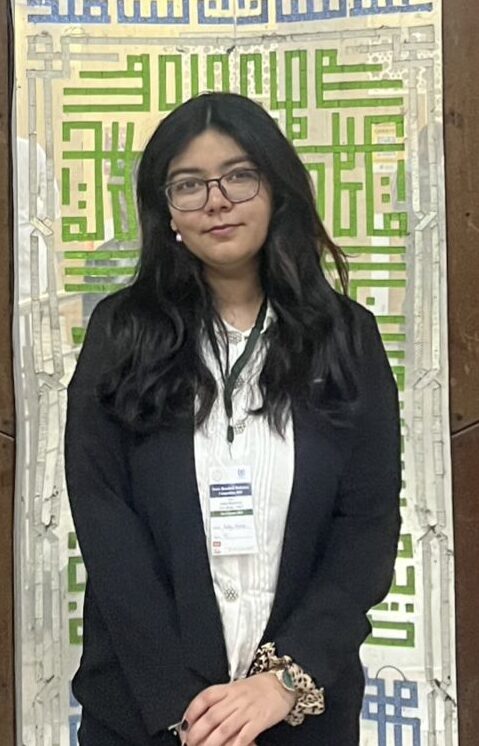
Aadya Kumar
I am a third-year law student enrolled in the BBALLB Honours program, dedicated to research and innovation. My passion lies in textual and statutory research, utilizing various bare acts to contribute to the creation and compliance of citizens for a better world. My skills involve taking on leadership roles and creative writing, which allows me to efficiently blend the everyday understanding of individuals with complex legal routines.
My perspective on the Environmental and Social obligations of individuals and organizations is tied closely to my studies as a Business Law student. I believe organizations are duly bound by proposed theories and statutes, such as the Companies Act, to give back to the environment. Similarly, individual obligations apply to anyone who is well within their capacity to maintain an appropriate social and environmental order.
Coming from Delhi, I view air pollution as the elephant in the room; it is unmistakably a severe problem that circumvents our daily activities. I consider water pollution to be a constitutional violation of the fundamental rights guaranteed to us. Furthermore, my opinion on food adulteration is an intergenerational one. As seen recently with staples like Paneer, the presence of adulterated materials poisons our staple foods and impacts hormones and health, directly affecting the well-being of the next generation.
My approach to sustainability goals is practical and focused on preventing excessive landfill waste. I refrain from buying ridiculously cheap clothes, knowing they will not withstand wear and tear, and instead choose durability and prolonged usage for all my accessories and clothing. By opting for quality over quantity, I support sustainable brands that prioritize fair practices and environmental responsibility. This helps shift market demand toward ethical production and encourages local businesses to thrive, sparking a cultural shift toward sustainability.
As the Content Team Head and lead article writer, my goal is to oversee the work of others and bridge the gap between standard content and infotainment material. I utilize a keen eye for idea generation and a diligent work ethic to ensure that my contributions are both timely and effective. For me personally, this role provides the experience of working in a Foundation while helping me improve my stance in leadership roles and time management, ultimately providing the community with a positive influence and a reliable platform for change.

Kritika
I am a third-year B.Sc. student. I am a motivated learner focused on continuous skill development and adapting to new technologies. I aim to combine academic knowledge with practical skills to solve real-world problems.
I am deeply concerned about food adulteration and environmental pollution, as they directly impact human health and environmental balance. Addressing these issues requires strict regulations, ethical practices, public awareness, and responsible individual behavior.
I strongly believe that both individuals and organizations share responsibility for environmental protection and social well-being. Environmental and social compliance ensures sustainable growth, builds stakeholder trust, reduces risks, and enhances organizational credibility.
Through my focus on sustainability and social responsibility, I am developing ethical values and awareness while contributing, even in small ways, to a healthier environment and a more responsible society.
As a community outreach lead, I focus on strategy & program development, community engagement
communications, event coordination, and resource management.
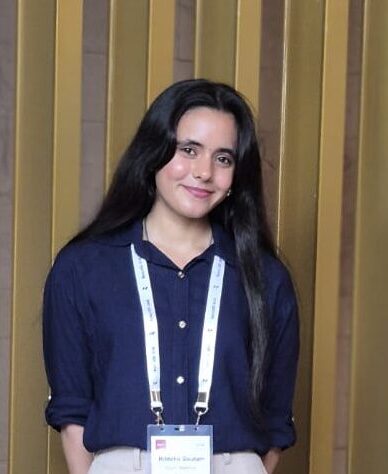
Riteeka Gautam
I am passionate about community-based initiatives driving social impact in journalism, environmental sustainability, social awareness, and the arts. These projects blend advocacy, communication, and grassroots engagement to turn ideas into real-world change.
My skills: effective communication, public speaking, anchoring, content writing, research, event planning, creative problem-solving, leadership, and community outreach help me connect with diverse audiences, execute initiatives, and simplify complex social and environmental issues.
Food adulteration, water pollution, and air pollution are urgent threats. Adulteration risks long-term health and consumer rights; water pollution endangers biodiversity and safe drinking water; air pollution harms ecosystems, climate, and human health. Solutions demand strict regulation, awareness, stakeholder responsibility, and realistic progress through collective effort, not perfection.
Environmental and social responsibility is a shared duty: individuals must adopt sustainable habits, conserve resources, stay informed, and act; organizations should minimize footprints, prioritize welfare, and comply with regulations. Compliance fosters sustainable development, protects resources, ensures accountability, boosts credibility, and builds trust.
My sustainability approach emphasizes awareness and engagement: crafting infographic PSAs for social media, running rewarding community activities, and embedding sustainability via education, advocacy, and collaboration. This grows my role as a socially responsible leader while fostering healthier, equitable communities.
As Lead for Public Relations & Social Impact, my responsibilities include:
- Translating Ideas into Action: Bridging policy and perception via content, research, and storytelling.
- Championing Sustainability: Advocating compliance and responsibility for environmental protection and consumer rights.
- Visual Storytelling: Creating high-impact social media visuals and PSAs for awareness.
- Event Management: Organizing workshops and outreach to reward participation and promote responsibility.
- Institutional Integrity: Upholding ethical, compliant initiatives for maximum social impact.

Katyayini Singh Bhadauria
I am a third-year law student dedicated to deeply socially impactful activities at the intersection of law and society. I possess strong communication skills and excel in public interaction, helping me adapt to various professional situations while utilizing technical tools for efficiency. Beyond academics, I enjoy reading up on new facts and enhancing my knowledge of already known facts. I believe environmental and social protection is a shared responsibility; organizations must practice ESG principles to ensure legal certainty and brand credibility, while individuals must remain mindful in their daily behavior. By ensuring compliance, we avoid health crises and ensure that future generations inherit a healthy, livable planet.
Food, air, and water are basic necessities, and their adulteration is inherently a human rights violation. Addressing food quality in India is essential for national and cultural integrity, alongside tackling the poor treatment of water bodies and the impact of air pollution. My sustainability approach involves awareness, action, and accountability. I believe in educating others on the nitty-gritties of environmental pollution to understand that it is a collective problem, necessitating unified and collective action.
Personally, I have removed plastic from my home, used eco-friendly search engines, and transitioned to thrifting to avoid over-consumption. Accountability involves supporting transparent organizations and encouraging policy changes. As the Head of Public Relations, I utilize my communication and networking skills to strengthen the organization’s outreach and public image. These efforts align with my goal of making a positive and lasting social impact, leading to a resilient, conscious community with significantly improved living conditions.
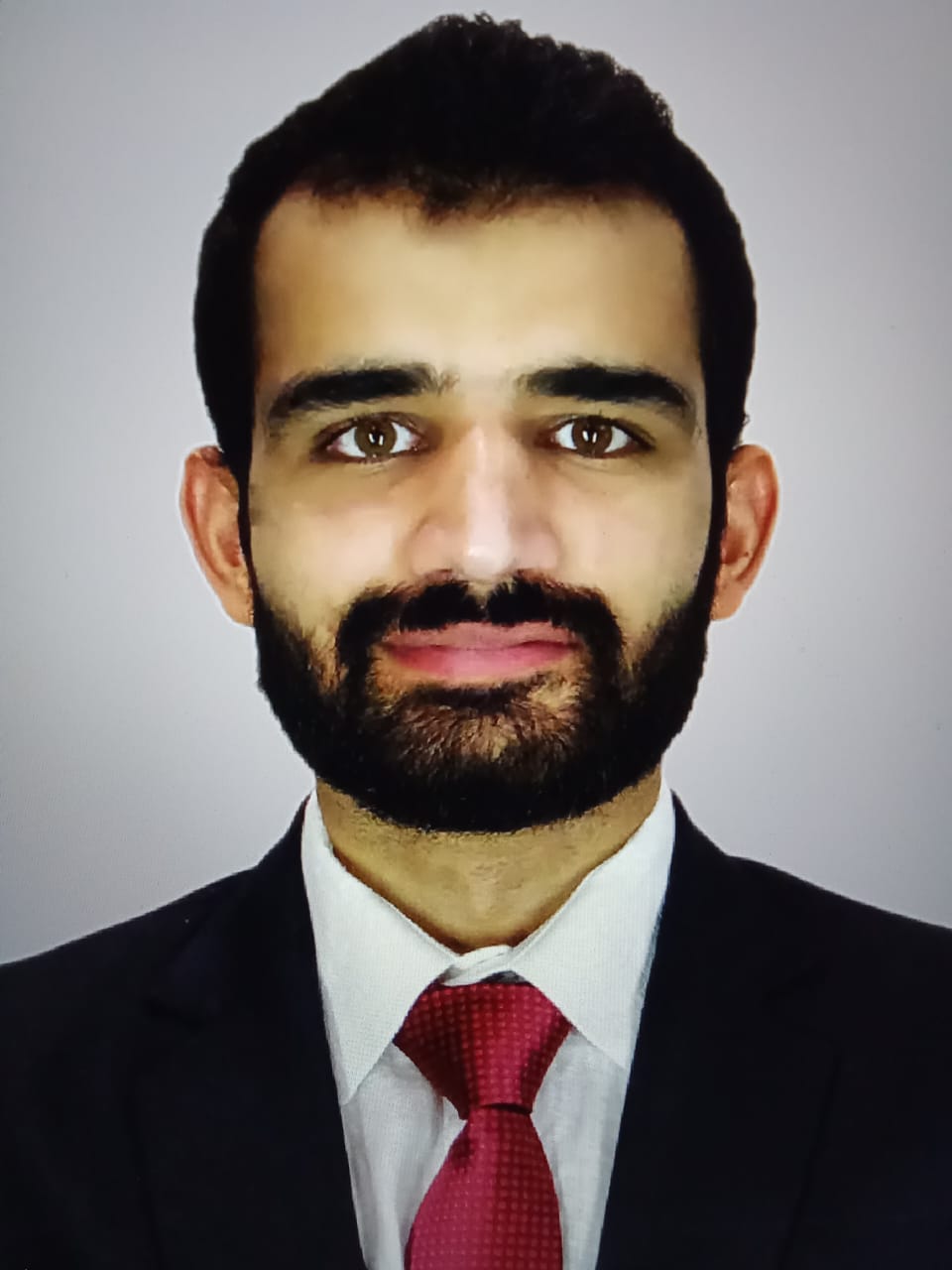
Robin Deswal
With a background in civil engineering and project management, I possess problem- solving abilities and logical thinking skills, allowing me to develop practical solutions for complex challenges. My core competencies include report preparation and efficient timeline tracking. My interest lies in sustainable development, environmental protection that positively impact community. On critical societal issues, I view food adulteration, air pollution, and water pollution as significant threats to public health and ecological balance. These issues undermine our quality of life and require immediate, collective action for effective mitigation. I understand that environmental and social obligations are fundamental to responsible citizenship and corporate governance. Both individuals and organizations must play their part to minimize harm and promote well- being. It is not merely a regulatory hurdle but a moral imperative to protect our shared resource. Adhering to environmental and social compliance is non- negotiable. It not only ensures legal and regulatory alignment but also drives positive change, builds trust, and is fundamental to achieving genuine sustainability.
My approach to sustainability focuses on resource efficiency and transparency. I believe as individuals we should prioritize reducing our carbon footprint through renewable energy adoption and waste reduction while setting measurable, science – based targets to ensure accountability.
As a lead data analyst, I analyze data, modeling data to discover useful information that aids in developing a strategy to meet sustainability goals.
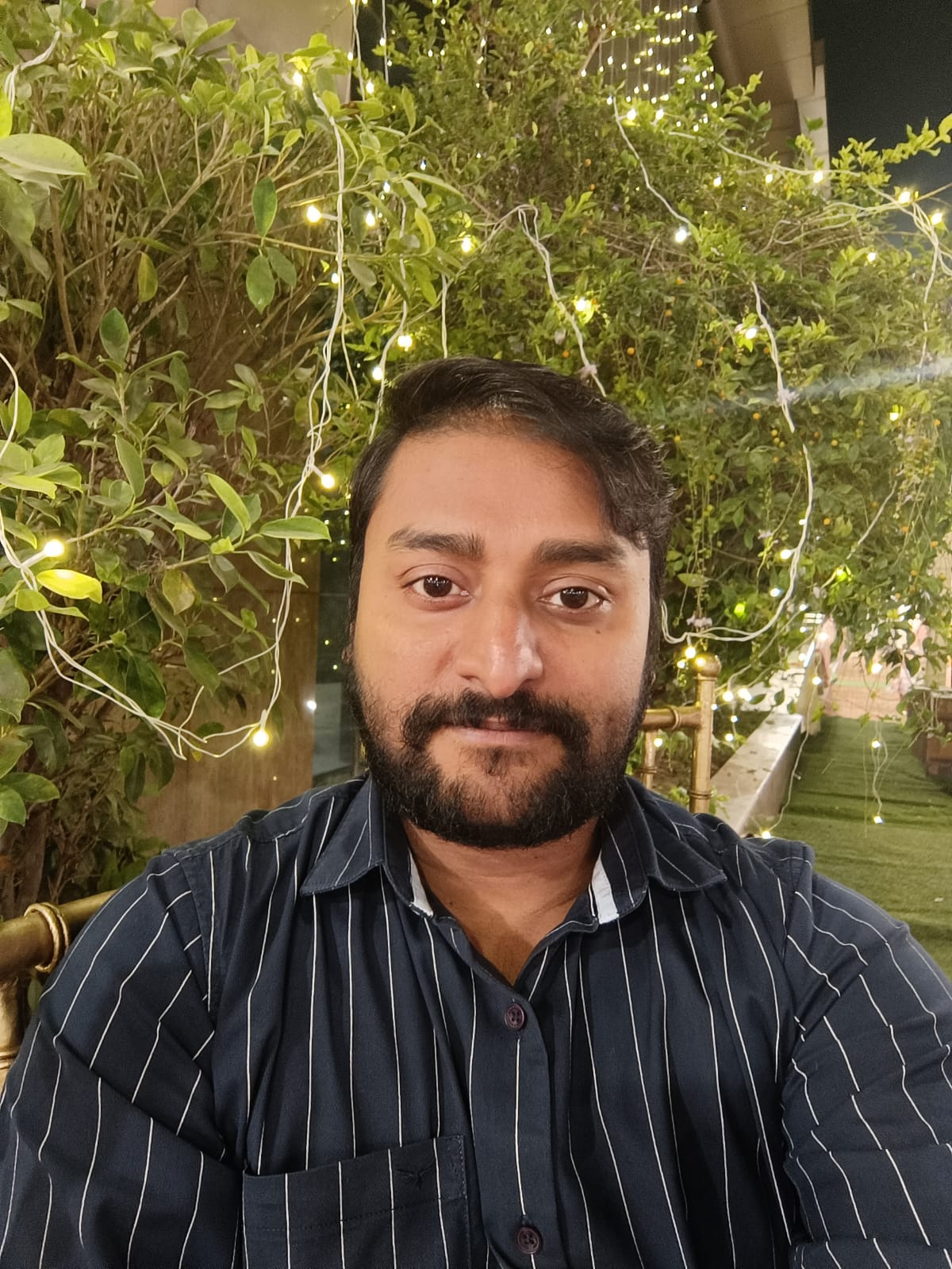
Sagar Kanojia
I hold a B.Tech in Mechanical Engineering and an MBA in Operations, with professional experience across IT, manufacturing, and waste-to-energy sectors. This exposure has given me a holistic understanding of processes, technology, and sustainability challenges.
I am deeply interested in new technologies, industry dynamics, and the interaction of processes, finances, and systems. I enjoy exploring innovative solutions and understanding complex mechanisms that shape everyday life.
My core skills include designing frameworks, preparing reports, and creating impactful presentations. I prefer structuring ideas visually and logically to make them easy to communicate and implement.
Challenges such as food adulteration, air pollution, and water pollution are widely recognized, yet society has gradually normalized them. Despite awareness of their long-term impact, meaningful action has been limited, which is a shared concern and responsibility.
On environmental and social responsibility, I believe that while resource usage may vary, obligations remain universal. Both individuals and organizations must contribute, and collaboration is essential for real progress.
Environmental and social compliance matter not only for regulation but for maintaining balance that benefits people, communities, and the planet. Beyond definitions, internalizing and acting on these principles is critical.
My approach to sustainability focuses on equilibrium—first mitigating harm, then transitioning processes toward long-term sustainability. As the Head of Operations I practically, I practically contribute by creating drafts, frameworks, and structured plans that help translate ideas into collective, effective action.

Ridhi Mishra
I am a responsible and motivated individual with a keen interest in creative activities such as art and music, which help me stay balanced and positive. I value continuous learning and self-improvement, and I believe in contributing meaningfully to society. My key skills include discipline, time management, adaptability, and a strong sense of responsibility, which I apply both in my personal and academic/professional life.
In my opinion, issues like food adulteration, air pollution, and water pollution are serious challenges that directly affect human health, environmental balance, and future generations. Food adulteration compromises public health and trust, while air and water pollution lead to long-term ecological damage and social inequality. Addressing these problems requires strict regulation, awareness, and ethical practices.
I understand that environmental and social obligations are shared responsibilities of both individuals and organizations. Individuals must adopt sustainable habits, while organizations should follow ethical standards, reduce environmental impact, and ensure social well-being through responsible operations.
Environmental and social compliance is crucial because it promotes sustainable development, protects natural resources, ensures public safety, and builds trust among communities and stakeholders. Compliance also encourages accountability and long-term growth.
My approach to achieving sustainability goals involves conscious decision-making, reducing waste, conserving resources, spreading awareness, and supporting eco-friendly practices. I believe small, consistent actions can collectively bring significant change.
Through my efforts as lead for volunteer training and training content development, I aim to contribute to a healthier environment and a more informed community. These actions not only help society at large but also promote personal growth, social harmony, and a sustainable future for everyone.
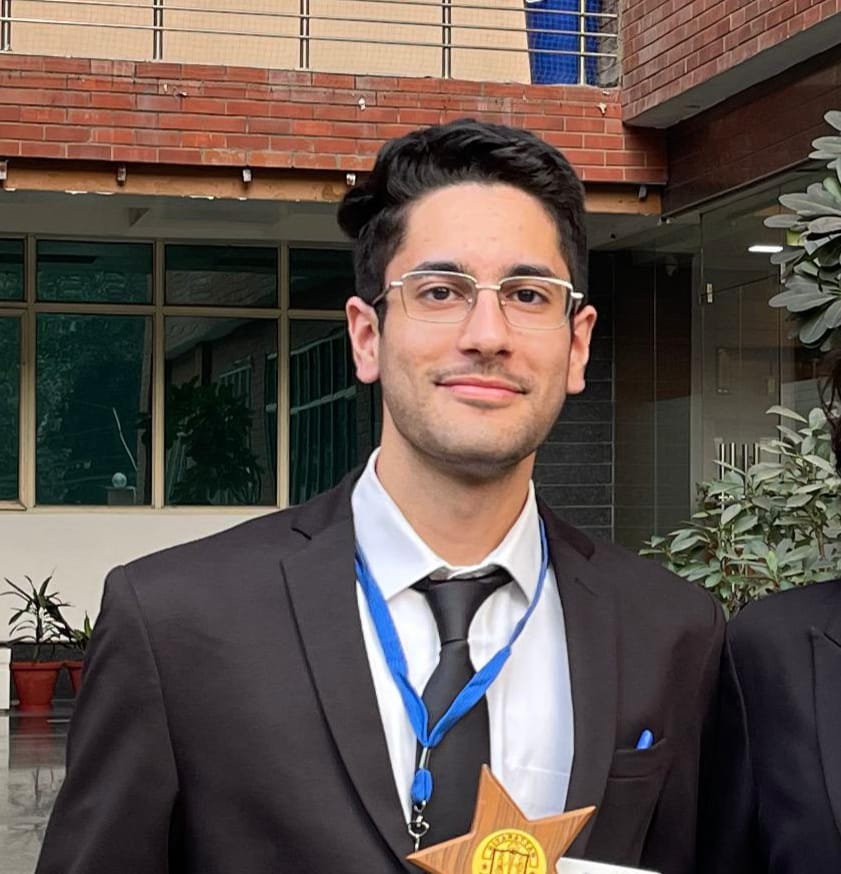
Shuhool Fotedar
I’m a third-year law student, and my academic and professional focus lies at the intersection of Environmental Law, Corporate Law, and IT Law, with a particular interest in Cybersecurity.
I believe a Smart City only functions when its citizens are informed. Individuals should be aware of local laws and use digital platforms to report pollution and file complaints.
Every company should undergo regular ESG audits. It is their duty to go beyond minimum standards, utilizing CSR activities to actively minimize their environmental footprint
Coming from Delhi, I view pollution as a critical health emergency. While it must be a top government priority, it is also an individual responsibility; we must stop practices like waste burning and illegal dumping if we want to see real change.
Also, there is an urgent need for the FSSAI to tighten its oversight. The current level of food adulteration in India is a silent public health crisis that requires more stringent enforcement.
Without strict adherence to local laws and social ethics, urban development is fundamentally unsustainable. Compliance isn’t just about following rules; it’s about ensuring the long-term viability of our cities.
My approach to smart cities is centered on transparency, education, technology interventions, and culture. I aim to assist in achieving living cities by conducting comparative research on global SDG progress and corporate compliance, then sharing these insights through our Smart City Platform, by creating resourceful content and educational videos. I aim to bridge the gap between high-level sustainability goals and community action.
As the lead for the ESG program, my goal is to provide a reliable platform where residents can access everything from legal info to environmental health and cybersecurity tips. For me personally, these efforts allow me to deepen my expertise in Legal Tech and prepare me to handle complex legal issues related to environmental, social, and governance issues.

Tanishka Gautam
I am currently pursuing an M.Sc. in Molecular Medicine at IIT. My studies help me understand how environmental factors like pollution and food safety directly affect human health, which is why I am deeply interested in sustainability and community well-being.
I am passionate about environmental protection, public health awareness, and using scientific knowledge to create practical, positive change. I enjoy research, learning, and explaining complex ideas in simple ways so they can reach and benefit more people.
Issues such as food adulteration, air pollution, and water pollution concern me because they impact everyday life and long-term health. I believe real progress comes when individuals act responsibly, and organizations operate ethically and transparently.
For me, sustainability starts with awareness, informed choices, and collective effort. Through my academic background and volunteer work, I hope to contribute to healthier environments, stronger communities, and a more sustainable future, while also growing as a responsible and socially conscious individual.
As lead for research and content, my responsibilities include:
Conducting research on the achievement of SDGs by smart cities, public health initiatives, impact of pollution and adulteration on public health.
Converting research insights into clear, accessible reports for citizens and stakeholders.
Supporting data- and evidence-based planning for smart city projects.
Ensuring content aligns with environmental, social, and ethical standards.
Maintaining accuracy, relevance, and credibility across all published content.
Governance, Compliance and Impact Assessment Team
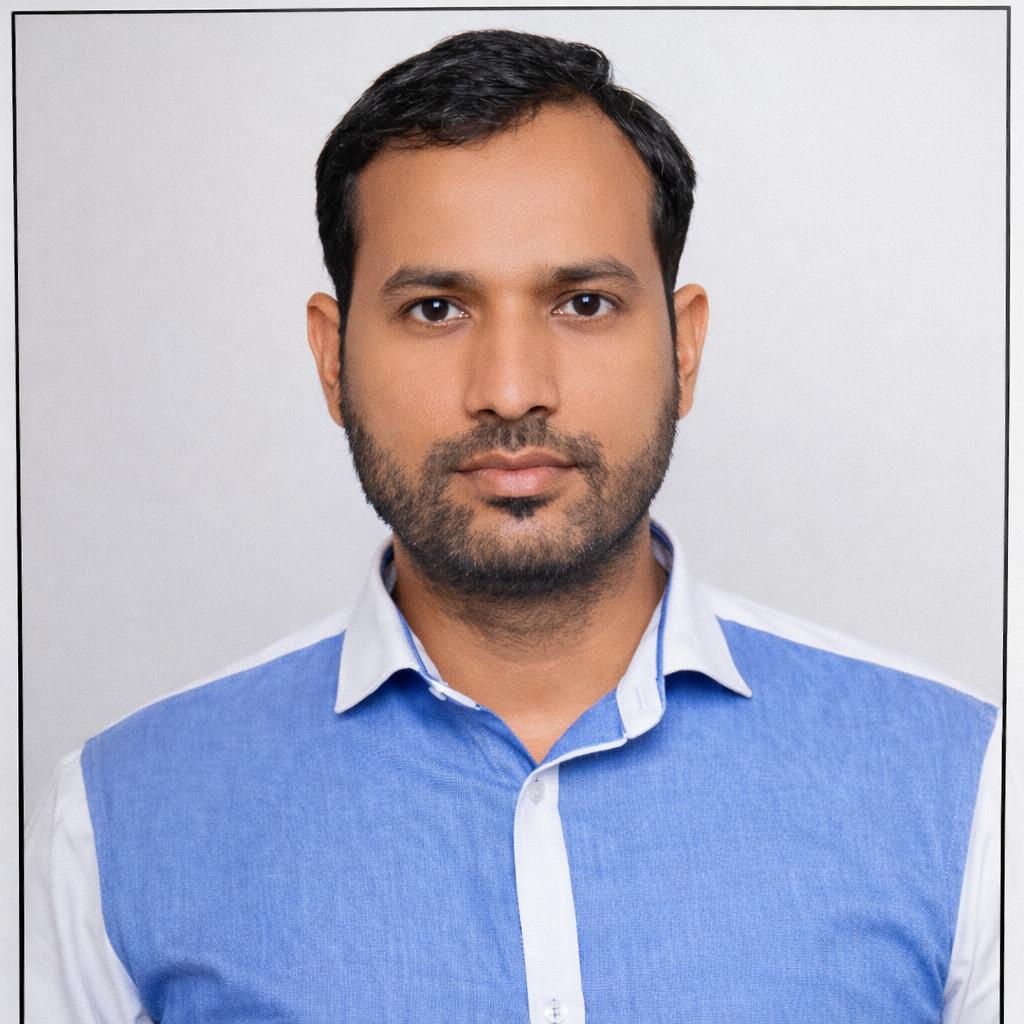
Vinod Pundir
I am an independent financial advisor with a strong commitment to creating positive social impact. As an Executive for Social Impact Assessment with the Smart City Foundation, I support the leadership team by providing structured feedback on projects, contributing to the effective execution of events and programs, and helping ensure that initiatives deliver measurable and sustainable social outcomes.
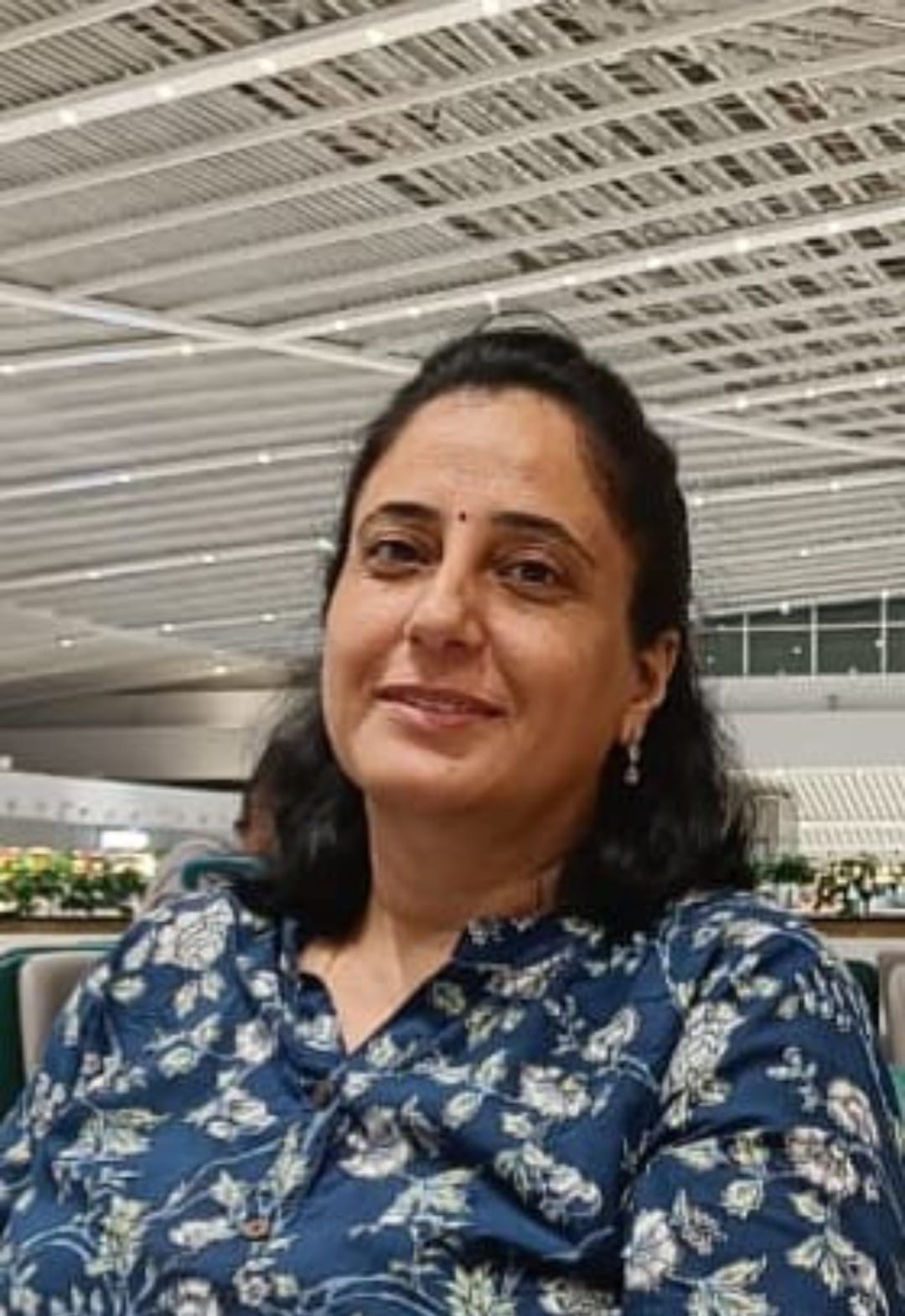
Bharti Fotedar
I am a Civil Engineering graduate with a diploma in electronics and computers. My professional journey began in 1999 with a GIS company, where I contributed to geospatial solutions, and extended into web development for small businesses. In 2012, I founded Smart City Foundation, a not-for-profit organization dedicated to promoting the use of technology to enhance the quality of life in India. In my role I ensure uncompromised governance and compliance.
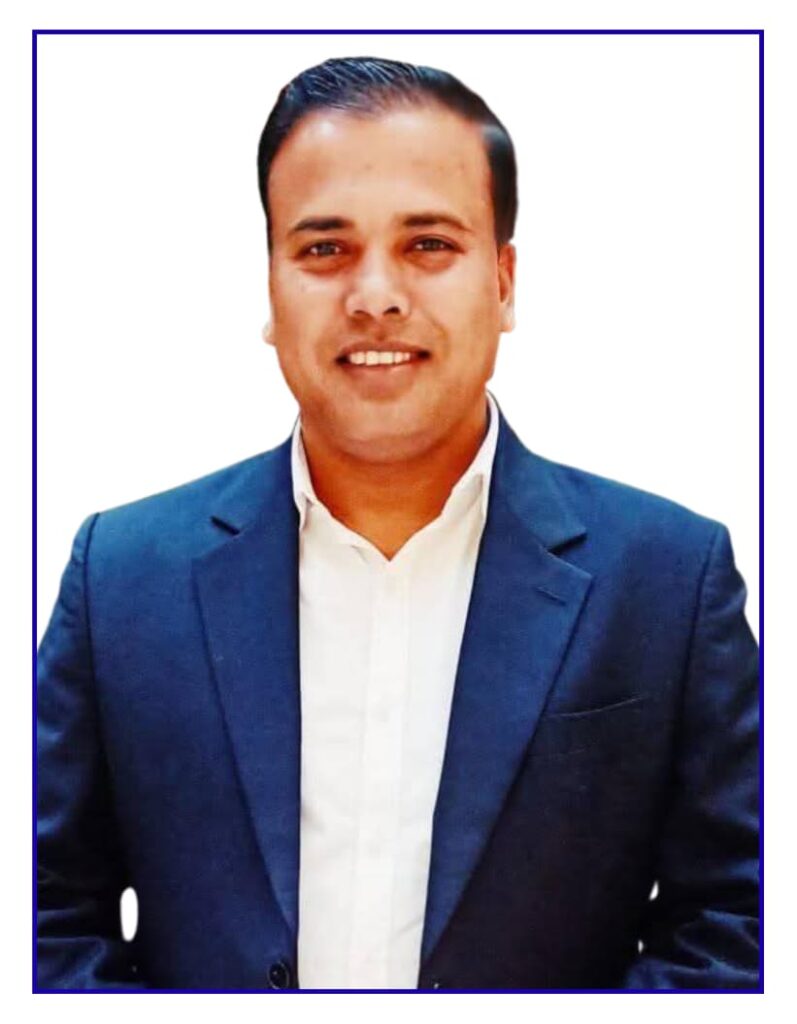
Umesh Singh
I am an independent insurance advisor with a lot of interest in achieving social good. My role as an Executive for Social Impact Assessment gives me an opportunity to help the leadership team with feedback on projects, execution of events, and Programs for higher social impact.